If you’re shopping for Himalayan shilajit in India, you’ve probably noticed one thing: the prices vary wildly. From budget options at ₹500 to premium formulations at ₹5,000+, the shilajit market can feel like a minefield. But here’s the real question—does paying more actually get you better quality? Or are you just paying for fancy packaging?
Let me be straight with you: shilajit quality in India isn’t just about the price tag. It’s about sourcing, processing, purity testing, and whether the brand actually cares about what goes into the bottle. After years of research, we’ve found that understanding the true value of shilajit in the Indian market requires looking beyond price, and that’s exactly what this guide covers.
Whether you’re looking for raw shilajit powder, resin, or modern formulations like gummies, we’ll break down what you’re really paying for and help you make a choice you won’t regret.
Why Himalayan Shilajit Prices Vary So Much in India
The shilajit price range in India is genuinely confusing. You’ll find everything from ₹300 per 10g to ₹2,000+ for the same weight. So what’s actually driving these price differences?
Altitude and Source Location
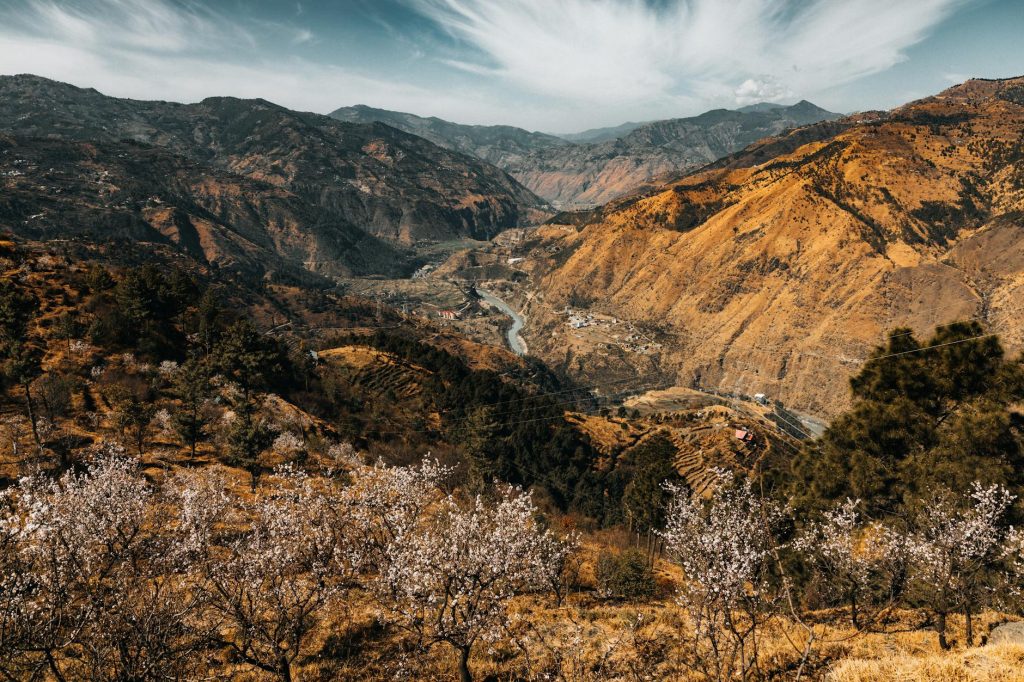
Real Himalayan shilajit comes from specific altitudes—typically 1,500 to 5,500 meters above sea level. The higher the altitude, the more concentrated the fulvic acid and minerals. Shilajit from premium locations in Ladakh, Himachal Pradesh, and the Spiti Valley costs more because it’s harder to harvest and genuinely more potent. Budget shilajit often comes from lower altitudes or isn’t actually Himalayan at all.
Processing and Purification Method
This is where quality really separates from price. Low-cost shilajit uses basic sun-drying and minimal processing. Premium brands use advanced purification techniques—freeze-drying, nano-processing, or specialized filtration—to remove impurities and improve bioavailability. When you’re paying ₹1,500+ for quality shilajit, you’re often paying for this sophisticated processing.
Third-Party Testing and Certifications
Brands that conduct independent lab testing, hold ISO certifications, and test for heavy metals charge more—but you’re getting transparency. Budget brands rarely disclose whether they’ve tested for contaminants, which is a massive red flag.
Formulation Complexity
Simple shilajit powder is cheaper. But when shilajit is combined with complementary ingredients like KSM-66 Ashwagandha, nano gold, and saffron (as found in premium gummies), the cost increases due to ingredient quality and formulation science.
Shilajit Price Categories Explained: Budget vs Premium
Budget Shilajit (₹300–₹800)
- Usually raw, minimally processed resin
- May contain impurities or fillers
- Limited testing information available
- Generic sourcing (quality inconsistent)
- Best for: Trial use or casual consumers
Mid-Range Shilajit (₹800–₹1,500)
- Better sourcing and basic quality control
- Some brands conduct limited testing
- May include added ingredients for bioavailability
- More consistent batch-to-batch quality
- Best for: Regular users seeking reliability
Premium Shilajit (₹1,500–₹3,500)
- High-altitude sourcing with certified authenticity
- Advanced processing (nano-technology, freeze-drying)
- Full third-party testing reports
- Often combined with complementary ingredients
- Best for: Serious health-conscious consumers
Ultra-Premium Formulations (₹3,500+)
- Rare, limited-batch sourcing
- Synergistic ingredient blends (like MahaRasa’s Shilajit Gold formula)
- Extensive scientific backing
- Premium delivery format (gummies, capsules)
- Best for: Maximum bioavailability and convenience
Quality Markers Worth Paying For
Not all high-priced shilajit is quality, and not all cheap shilajit is bad. Here’s what actually indicates quality, regardless of price:
Fulvic Acid Content
Quality shilajit contains 50-80% fulvic acid—this is the “active” component. Premium brands openly share these numbers; budget brands rarely do. Higher fulvic acid = better bioavailability and more noticeable health benefits.
Bioavailability Enhancement
Standard shilajit has poor absorption. Nano gold supplements and advanced processing techniques dramatically improve how your body absorbs shilajit, which is why premium formulations often include these technologies.
Heavy Metal Testing Results
This matters. Lead, cadmium, and arsenic contamination is a real issue with poorly sourced or processed shilajit. Legitimate premium brands provide third-party test results proving their products are heavy-metal-free.
Standardized Extract Strength
Quality brands standardize their formulations—you know exactly what you’re getting with each dose. Budget brands may vary significantly from batch to batch.
Shilajit Price Comparison: Popular Indian Brands
| Brand/Product | Price Range | Quality Indicators | Format | Value Rating |
|---|---|---|---|---|
| Generic Raw Shilajit (Unbranded) | ₹300–₹600 | Minimal testing, variable quality | Resin | ⭐⭐ |
| Standard Shilajit Capsules (Mainstream Brands) | ₹600–₹1,200 | Basic processing, some testing | Capsules | ⭐⭐⭐ |
| Premium Shilajit Extract with Bioenhancers | ₹1,500–₹2,500 | High-altitude sourcing, certified testing, bioavailability optimized | Capsules/Powder | ⭐⭐⭐⭐ |
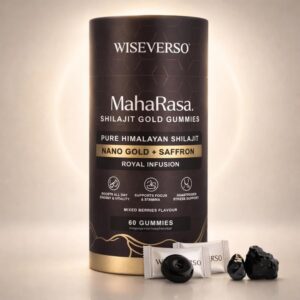
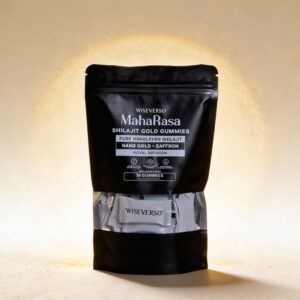
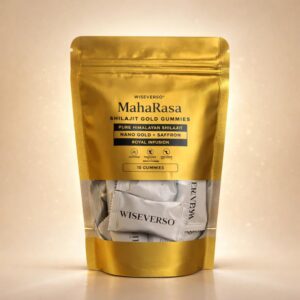
| MahaRasa Shilajit Gold Gummies (60 Count) | ₹1,999–₹2,499 | Himalayan Shilajit + KSM-66 Ashwagandha + Nano Gold + Saffron, 3rd-party tested | Gummies | ⭐⭐⭐⭐⭐ |
| Ultra-Premium Single-Source Shilajit | ₹2,500–₹5,000+ | Rare sourcing, extensive research backing, premium packaging | Resin/Capsules | ⭐⭐⭐⭐ |
The Real Cost: What You’re Actually Paying For
When you’re comparing Himalayan shilajit prices, understand that you’re really paying for:
Research and Development
Premium brands invest in clinical studies and formulation science. Simple shilajit extracts need minimal R&D; synergistic formulas with multiple active ingredients do.
Supply Chain Integrity
Tracing shilajit from Himalayan cliffs to your bottle costs money. Budget brands use unclear sourcing; premium brands maintain direct relationships with harvesters.
Quality Assurance Infrastructure
Testing equipment, certified labs, documentation—these costs are built into premium pricing. You’re paying for consistency and safety guarantees.
Convenience and Bioavailability
Raw shilajit resin is cheap but tastes bitter and requires proper dosing. Gummies, capsules, and enhanced formulations cost more because they’re easier to use and your body actually absorbs them better.
Is Higher Price Always Better? The Truth
Here’s the honest answer: no, not always. But most of the time, if a brand is charging significantly more, there’s a legitimate reason.
The sweet spot for quality-to-price ratio in India is typically ₹1,200–₹2,500 per month’s supply. At this price point, you’re getting:
- Verified Himalayan sourcing
- Third-party testing confirmation
- Advanced processing or formulation benefits
- Consistent, measurable results
Anything significantly below ₹800/month raises quality concerns. Anything above ₹3,500/month is often premium branding rather than proportionally better results.
Why Modern Formulations Like Shilajit Gold Gummies Offer Better Value
You might wonder: why pay ₹2,000+ for gummies when raw shilajit powder costs ₹800? Because the total value equation is different.
Traditional shilajit has three problems: poor taste, low bioavailability, and dosing inconsistency. Modern formulations solve all three. When shilajit is combined with KSM-66 Ashwagandha for stress relief and enhanced absorption, nano gold for cellular penetration, and saffron for cognitive support, you’re getting synergistic benefits that raw shilajit alone can’t provide.
That ₹1,200 bottle of raw shilajit might last 40 days. A ₹2,000 bottle of premium gummies lasts 60 days and delivers measurably better results because of how the ingredients work together.
The MahaRasa Difference: Premium Quality Without Premium Price Shock
We designed MahaRasa Shilajit Gold Gummies to solve the price-vs-quality dilemma. Here’s what makes it different:
- Himalayan Shilajit Source: High-altitude, certified authentic, fulvic acid optimized
- KSM-66 Ashwagandha: Clinically studied, standardized extract for maximum potency
- Nano Gold: Improves bioavailability and cellular absorption by up to 40%
- Saffron: Adds cognitive and mood support benefits
- Third-Party Tested: Heavy-metal-free, purity verified, potency confirmed
- Gummy Format: Consistent dosing, pleasant taste, easy compliance
At ₹2,000–₹2,500 per bottle (60 gummies), you’re paying for a complete, synergistic supplement—not just shilajit in a fancy bottle.
Verdict: What Price Should You Actually Pay for Himalayan Shilajit?
If you’re buying plain shilajit (powder or resin): ₹800–₹1,500 is fair for quality.
If you’re buying processed extracts or capsules: ₹1,200–₹2,000 indicates good quality with bioavailability enhancements.
If you’re buying synergistic formulations (like gummies with multiple active ingredients): ₹2,000–₹3,000 is the sweet spot for maximum effectiveness.
Avoid anything below ₹300 (quality concerns) or above ₹5,000 (diminishing returns) unless you have specific reasons.
The best shilajit isn’t the cheapest—it’s the one that delivers consistent, measurable results at a price you feel good paying. That’s when price and quality finally align.
Ready to Try Premium Quality Shilajit?
Stop second-guessing shilajit quality and pricing. Explore MahaRasa Shilajit Gold Gummies—premium Himalayan shilajit with clinically-studied ashwagandha, nano gold, and saffron in convenient gummy format. Transparent pricing, verified quality, real results.
Available in 15, 30, and 60-count bottles. Start your health journey today with a brand that values quality as much as you do.
Ready to experience the difference?
Premium Ayurvedic supplements — fully transparent, lab tested, FSSAI licensed.
Shop MahaRasa →🛒 Featured Products from MahaRasa