The global shilajit market is flooded with counterfeit products, mislabeled supplements, and low-quality extracts that promise the world but deliver disappointment. As an Indian man seeking genuine wellness benefits, you deserve to know exactly what separates real Himalayan shilajit from the fakes. This comprehensive guide will teach you the science-backed markers of authenticity, testing methods you can use at home, and the red flags that should make you walk away from a purchase.
Shilajit has been treasured in Ayurveda for over 3,000 years, but modern commercialization has muddied the waters. Whether you’re looking for energy, stamina, or overall vitality, understanding how to identify authentic shilajit is your first step toward real results. Let’s break down what makes genuine Himalayan shilajit worth seeking out.
What Is Authentic Himalayan Shilajit?
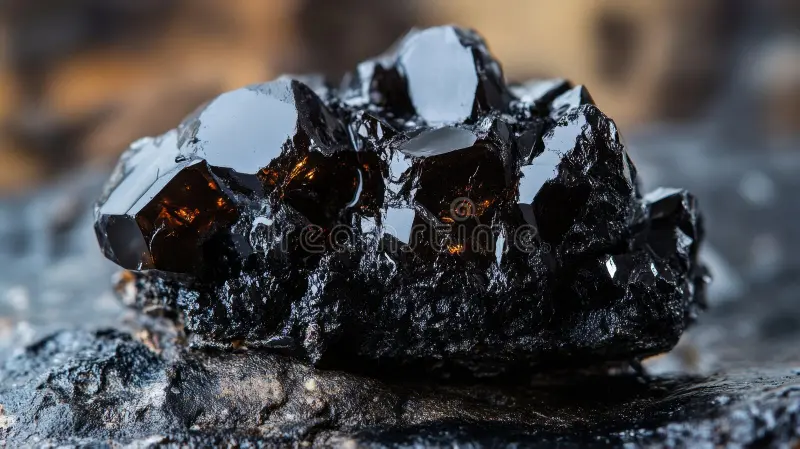
Authentic Himalayan shilajit is a mineral-rich, tar-like substance that forms over centuries from decomposed plant and microbial matter in high-altitude mountain rocks. True shilajit comes exclusively from specific regions of the Himalayas, predominantly in Kashmir, Himachal Pradesh, Ladakh, and the Hindu Kush mountains. The formation process requires unique geological conditions—specific rock compositions, mineral deposits, temperature fluctuations, and altitude—that cannot be replicated artificially.
The substance’s color ranges from dark brown to black, with a distinctive bitter taste and earthy aroma. When authentic shilajit dissolves in warm water, it creates a clear golden-brown liquid, never cloudy or opaque. Its consistency at room temperature should be sticky and slightly plastic, resembling dried tar or asphalt. Any product claiming to be shilajit but appearing as a powder, tablet, or capsule with a light color is likely a processed extract or counterfeit blend.
Genuine shilajit contains over 84 minerals and trace elements, including fulvic acid (the key bioactive compound), humic acid, iron, zinc, copper, manganese, magnesium, and silica. The fulvic acid content in premium shilajit ranges between 50-60%, which is what delivers the documented health benefits. Products with lower fulvic acid percentages are either diluted or contaminated during extraction.
The Science Behind Identifying Real Shilajit
Laboratory testing is the gold standard for verifying shilajit authenticity, but understanding the science helps you ask the right questions before buying. Real shilajit must pass several standardized tests that measure both purity and potency.
Fulvic Acid Content: This is the primary active compound responsible for shilajit’s bioavailability and health benefits. Authentic Himalayan shilajit should contain 50-60% fulvic acid. Any product claiming higher percentages is likely misleading, while anything below 40% suggests adulteration or poor quality sourcing. Reputable brands should provide third-party lab certificates showing fulvic acid percentage through HPLC (High-Performance Liquid Chromatography) testing.
Heavy Metal Testing: Shilajit’s high mineral content means it can accumulate heavy metals like lead, cadmium, and arsenic if sourced from contaminated regions or processed poorly. Legitimate manufacturers test for heavy metals using ICP-MS (Inductively Coupled Plasma Mass Spectrometry). Look for products with certificates showing lead, cadmium, arsenic, and mercury levels below safety thresholds set by regulatory bodies.
Microbial Contamination: Pathogenic bacteria, fungi, and mold can grow in shilajit due to its organic nature and processing conditions. Authentic products undergo microbial testing to ensure safety. Certificates should show that products are free from E. coli, Salmonella, and other harmful microbes. When shilajit supports healthy aging, it does so safely—which requires rigorous quality control.
Solubility Test: Real shilajit dissolves completely in warm water, creating a dark golden-brown transparent liquid within 5-10 minutes. Fake shilajit often leaves residue, creates a murky appearance, or takes hours to dissolve. This simple test reveals whether you have genuine material or contaminated product.
Key Markers of Authentic Himalayan Shilajit
Before investing in any shilajit product, check for these non-negotiable authenticity markers that separate premium products from counterfeits.
- Third-Party Lab Certificates: Reputable brands provide COA (Certificate of Analysis) from independent laboratories. These certificates should detail fulvic acid percentage, heavy metal levels, microbial testing, and potency. Never trust brands that refuse to share lab data or claim “proprietary formulations” hide their testing results.
- Geographic Sourcing Information: Authentic brands disclose their sourcing region—typically high-altitude Himalayan areas in Kashmir, Ladakh, or Himachal Pradesh. Be skeptical of vague claims like “mountain sources” without specific geography. The Himalayas span multiple countries; genuine Indian shilajit should be traceable to Indian Himalayan regions.
- Color and Appearance: Genuine shilajit is dark brown to black, never tan, yellow, or light brown. The texture should be sticky and slightly plastic at room temperature, not grainy, powdery, or rock-hard. Any product with a uniform, perfect appearance is likely synthetic.
- Taste and Smell: Real shilajit has a distinctly bitter, mineral taste and earthy aroma. It should never smell like chemicals, additives, or artificial flavors. Many fakes are heavily sweetened or flavored to mask poor quality. If a shilajit product tastes pleasant and sweet without any bitterness, it’s been adulterated.
- Pricing Reality: Premium authentic shilajit is expensive. A month’s supply of genuine high-quality shilajit typically costs $30-50 USD or equivalent. Products priced significantly lower are either diluted, adulterated, or synthetic. While value matters, unreasonably cheap pricing is a major red flag.
- Batch Testing Transparency: Top-tier brands test every batch and make results available. This goes beyond general certifications—it means each production batch has been independently tested. Some brands publish batch numbers on packaging, allowing customers to verify results.
Red Flags: What to Avoid When Buying Shilajit
The counterfeit shilajit industry is sophisticated, with fake products designed to look legitimate. Here are specific warning signs that should prevent your purchase:
- No Lab Certificates Available: If a brand cannot provide third-party testing data, walk away. Legitimate manufacturers are proud of their purity and potency.
- Suspiciously Cheap Pricing: Authentic shilajit extraction and processing is expensive. If the price seems too good to be true, the product quality almost certainly is.
- Light Color or Powder Form: Real shilajit is dark and sticky. Light-colored powders are typically processed extracts mixed with fillers or completely synthetic.
- Unsubstantiated Health Claims: While shilajit has documented benefits, any product claiming to “cure” diseases, “guarantee” results, or make exaggerated performance claims is likely fraudulent.
- No Sourcing Information: Legitimate brands tell you where their shilajit comes from. Vague descriptions like “premium mountain source” without geographic specificity are evasive.
- Heavy Marketing Over Education: Brands that focus entirely on hype and testimonials while avoiding scientific discussion often lack genuine quality. Real companies balance marketing with transparent science-backed information.
- Packaging Without Batch Numbers: Premium shilajit brands include batch numbers for traceability. Without this, you cannot verify the product’s testing history.
How to Use and Store Authentic Shilajit Properly
Once you’ve selected authentic shilajit, proper usage and storage maximize its benefits. The recommended dosage for most adults is 300-500mg daily, though this varies based on individual health status and product concentration. Start with a lower dose—roughly pea-sized—and gradually increase as your body adapts.
Dissolve your shilajit dose in warm water (not boiling, as excessive heat can degrade some compounds) and consume it on an empty stomach in the morning or with food if your digestion is sensitive. Some people mix it with milk or herbal tea for better taste. Effects typically take 2-4 weeks to become noticeable, so consistency matters more than sporadic high doses.
Storage is critical for maintaining potency. Authentic shilajit should be kept in a cool, dry place away from direct sunlight and moisture. An airtight container in a cool cupboard or refrigerator preserves its properties. Never leave shilajit exposed to humidity, heat, or light, as these degrade fulvic acid and promote microbial growth. When comparing KSM-66 ashwagandha with regular ashwagandha, proper storage becomes equally important for any supplement you choose.
Who Needs Authentic Himalayan Shilajit?
Shilajit benefits a wide range of individuals, particularly Indian men aged 25-45 facing modern lifestyle challenges. If you experience low energy, declining stamina, mental fog, or recovery issues after exercise, authentic shilajit offers science-backed support. Working professionals managing stress, athletes seeking performance enhancement, and men concerned about healthy aging all find value in quality shilajit supplementation.
However, shilajit is not suitable for everyone. Pregnant or nursing women should avoid it due to insufficient safety data. People with gout, high uric acid levels, or hemochromatosis (iron overload) should consult healthcare providers before use. Those taking blood thinners or certain medications should seek medical guidance, as shilajit may interact with some drugs. Male vitality supplements like shilajit work best when combined with proper sleep, stress management, and exercise rather than as isolated interventions.
Frequently Asked Questions About Authentic Shilajit
Q: How can I test shilajit authenticity at home?
A: The simplest home test is the solubility check: dissolve a pea-sized amount in warm water. Authentic shilajit creates a clear, dark golden-brown liquid within 5-10 minutes. Cloudiness, residue, or extended dissolution time suggests lower quality or adulteration. You can also check taste (should be bitter), smell (earthy, not chemical), and appearance (dark brown to black, sticky texture).
Q: What percentage of fulvic acid should real shilajit contain?
A: Premium authentic shilajit contains 50-60% fulvic acid. Products claiming higher percentages are likely exaggerating. Below 40% suggests the product is either diluted or poorly processed. Always request lab certificates specifying fulvic acid percentage through HPLC testing.
Q: Can shilajit be synthetic or lab-created?
A: Truly synthetic shilajit doesn’t exist in a meaningful way, but heavily processed extracts or blends of minerals designed to mimic shilajit are marketed as “shilajit.” These lack the complex biochemical profile of genuine material and offer diminished benefits. Always verify sourcing and testing.
Q: How long does authentic shilajit last?
A: Properly stored shilajit lasts 2-3 years without significant degradation. However, fulvic acid content slowly decreases over time. Older products work but with reduced potency. Check manufacturing dates and aim for fresher batches.
Q: Is expensive shilajit always better?
A: Higher price typically reflects better sourcing, testing, and purity, but not always. Some brands overprice due to marketing. The key is matching price with transparent lab data, sourcing information, and certifications—not just assuming expensive equals authentic.
Conclusion: Making Your Authentic Shilajit Choice
Choosing authentic Himalayan shilajit requires informed decision-making based on science rather than marketing promises. Prioritize brands offering third-party lab certificates, transparent sourcing information, and batch-specific testing. Verify fulvic acid content, heavy metal testing, and microbial safety before committing to any purchase.
The investment in genuine shilajit pays dividends through improved energy, better recovery, enhanced focus, and support for healthy aging—benefits documented across both traditional Ayurvedic practice and modern research. Counterfeit products waste your money and potentially expose you to contaminants.
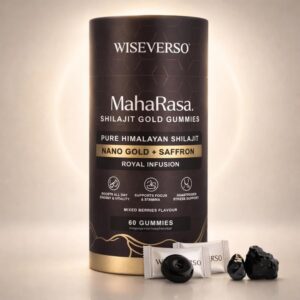
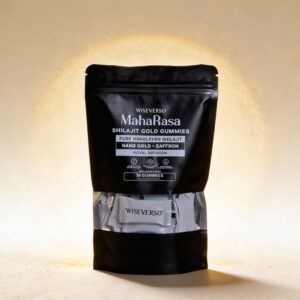
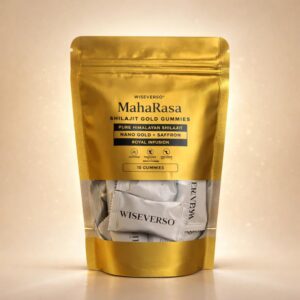
If you’re ready to experience the genuine benefits of Himalayan shilajit combined with complementary superherbs, MahaRasa Shilajit Gold Gummies deliver authentic Himalayan shilajit with KSM-66 Ashwagandha, nano gold, and saffron—each ingredient rigorously tested and transparently sourced. Your wellness journey deserves authenticity; choose accordingly.
Ready to experience the difference?
Premium Ayurvedic supplements — fully transparent, lab tested, FSSAI licensed.
Shop MahaRasa →🛒 Featured Products from MahaRasa